Mongolia Packing List (Winter)
What to Pack for Mongolia’s winter months
Winter in Mongolia is not something to be frightened of, but it does need to be respected.
Temperatures can fall well below -30°C, particularly during December, January and February, and wind can make conditions feel significantly colder. At the same time, Mongolia’s winter climate is generally dry, the skies can be extraordinarily clear, and with the right clothing it is perfectly possible to spend plenty of time outdoors.
The important thing isn’t simply packing the warmest clothes you own. It is creating a system of layers that work together and making sure the parts of your body that lose heat quickly — particularly your feet, hands, head and face — are properly protected.
This is our practical, experience-based winter packing list for Mongolia, designed around road journeys, family stays, ger camps and time spent outside experiencing Mongolia rather than viewing winter through a vehicle window.
Use it as a guide and adapt it according to your own tolerance of the cold and the journey you are joining.
Before You Pack for Mongolia
Winter travel in Mongolia is very different from travelling here during summer.
A few useful things to know before you start:
Temperatures can vary considerably between regions and from one week to another
The cold is often dry rather than damp, but wind can make a significant difference
You may move regularly between very warm indoor spaces and extremely cold outdoor temperatures
Laundry opportunities are limited once on tour
Space inside tour vehicles matters, so soft duffel bags and backpacks work better than hard-shell suitcases
Family gers and rural accommodation are heated differently from hotels
Batteries, phones and cameras lose charge much faster in extreme cold
Water can freeze surprisingly quickly
Good boots, gloves and socks are every bit as important as your jacket
If you’re travelling with Eternal Landscapes, you can safely leave any excess luggage at our office in Ulaanbaatar before heading out on tour.
Quick Mongolia Packing Checklist
If you only read one section, make it this one.
For those who like more detail, expanded advice and explanations can be found further down the page.
Quick List
Essential Clothing
- Thermal base layers – tops and leggings
- Warm fleece, wool or insulated mid-layers
- Warm insulated jacket or down jacket
- Windproof outer layer
- Warm trousers or insulated over-trousers
- Warm hat that covers your ears
- Neck gaiter, Buff or scarf
- Warm gloves or mittens
- Wool socks
Footwear
- Proper insulated winter boots
- Lightweight shoes or slippers for indoors
- Spare dry socks
Daypack
- Reusable filtering water bottle
- Power bank
- Sunglasses
- Torch or headlamp
Toiletries & Personal Kit
- Sunscreen
- Lip balm
- Wet wipes or washcloth
- Biodegradable toiletries where possible
- Hand sanitiser
Useful Extras
- Sleeping bag liner
- Hand warmers
- Ear plugs
- Hot water bottle
- Camera or binoculars
- Lightweight quick-dry towel
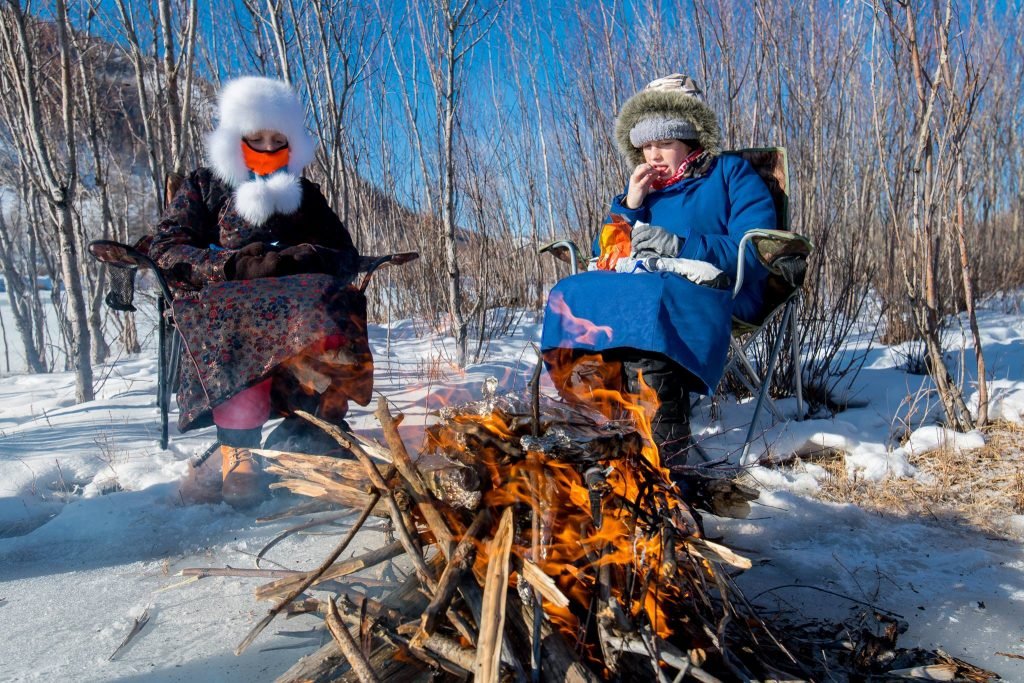
Table of Contents
Clothing: The Core Principle
Layer, Don’t Just Bundle Up
The most effective way of staying warm in Mongolia is not one enormous jacket. It is several layers that trap warm air while allowing you to adjust throughout the day.
You might be sitting in a very warm family ger drinking tea one minute and standing outside watching livestock at -25°C shortly afterwards.
Think of your clothing as three basic layers:
- Base layer – moves moisture away from your skin
- Mid layer – traps warmth
- Outer layer – protects against wind and weather
Avoid cotton for your main winter layers wherever possible. Once damp, cotton dries slowly and loses much of its insulating ability. Merino wool and technical synthetic fabrics work far better.
Base Layers
Good thermals make a noticeable difference.
We recommend bringing at least:
2 thermal tops
2 pairs of thermal leggings
Merino wool, synthetic technical fabrics or silk all work well.
You will probably wear thermals most days during the colder winter months, and they are also useful as sleepwear.
If you particularly feel the cold, don’t be afraid to double up.
Mid Layers
Your mid-layer provides most of the insulation.
Useful options include:
fleece
merino wool
lightweight down
synthetic insulated jackets
wool jumpers
Having two thinner insulating layers can sometimes be more useful than one very thick one because you can adjust them as conditions change.
Your Outer Layer
You need something properly warm and capable of blocking the wind.
A good-quality insulated winter jacket, ski jacket or down jacket works well.
Length helps too. A jacket or coat that covers your hips provides noticeably more warmth when you are standing around outside rather than actively walking.
You don’t need to buy specialist expedition clothing simply because you’re travelling to Mongolia. If you already own good winter or ski clothing, start with that.
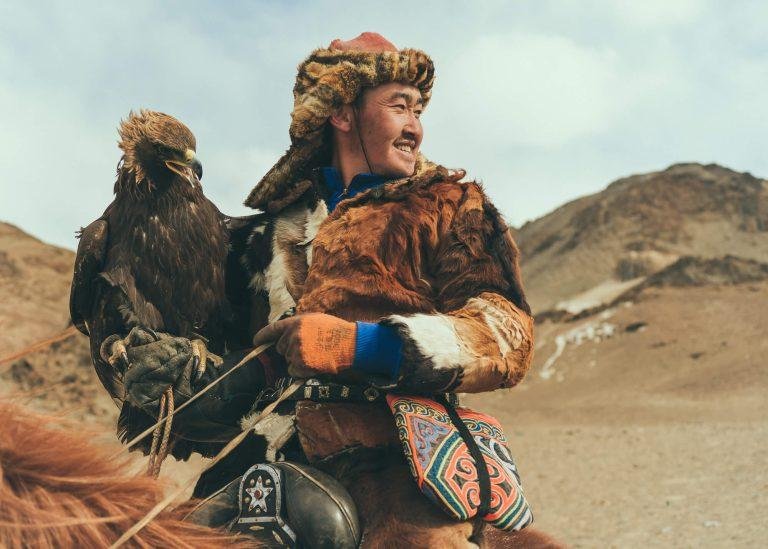
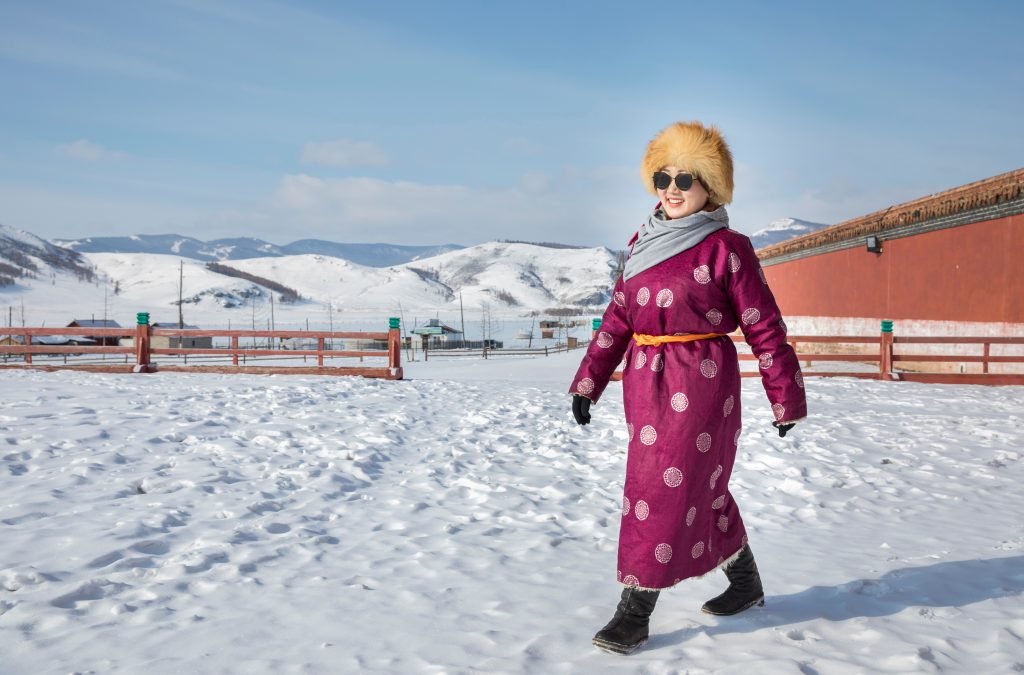
And if you become envious of what Mongolians are wearing, Ulaanbaatar is an excellent place to buy wonderfully warm wool, cashmere, felt and traditional winter clothing.
What About Trousers?
People often concentrate on their coat and forget their legs.
For winter Mongolia we recommend combining:
thermal leggings
comfortable trousers
an insulated or wind-resistant outer layer where necessary
Ski trousers work well, as do fleece-lined walking trousers or windproof soft-shell trousers.
Jeans (worn with thermals) are fine for Ulaanbaatar but are less useful for extended periods outdoors in very cold conditions.
Boots: Probably Your Most Important Purchase
Cold feet can ruin an otherwise wonderful day.
Standard three-season hiking boots are often not warm enough for the coldest Mongolian winter conditions because they provide little insulation between your feet and the frozen ground.
Look for boots designed specifically for winter use with:
an insulated sole
proper thermal insulation
enough space for warm socks
a reasonably grippy sole
room to move your toes
Do not buy boots that only just fit while wearing thick socks.
Tight footwear restricts circulation and can actually make your feet colder.
One good pair of wool socks inside properly fitted insulated boots is usually more effective than squeezing several pairs of socks into boots that have become too tight.
Bring lightweight shoes, felt slippers or similar for indoors as well. Mongolian homes and gers are generally shoe-off spaces, and having something easy to slip on and off is useful.
Socks
Bring several pairs of good wool or merino socks in different weights.
You may also like thin synthetic or merino liner socks beneath thicker socks, especially if you are walking for longer periods.
Keep one pair completely dry for evenings or sleeping.
Warm, dry feet make an enormous difference.
Hands, Head & Face
These are the small items that you really don’t want to forget.
Hats
Bring a proper warm hat that covers your ears.
Wool, fleece and cashmere all work well.
A thin hat can also be useful underneath a hood.
Gloves & Mittens
Mittens are generally warmer than gloves because your fingers share warmth.
A useful combination is:
thin liner gloves for using phones and cameras
insulated gloves or mittens over the top
If you know you suffer from cold hands, bring good mittens rather than relying on fashion gloves.
Neck & Face
A scarf, neck gaiter or Buff is extremely useful.
It can protect:
your neck
your cheeks
your nose
your mouth when the wind picks up
You don’t necessarily need a full balaclava, although people particularly sensitive to cold may appreciate one.
Sunglasses & Sun Protection
Winter does not mean you can forget about the sun.
Mongolia receives plenty of bright winter sunshine and reflected light from snow and ice can be intense.
Bring:
good-quality sunglasses with UV protection
sunscreen
lip balm with SPF
The combination of cold, wind, sun and very dry air can also be surprisingly hard on your skin, so moisturiser is worth packing.
Reusable Water Bottles & Water Filters
We ask all travellers to bring a reusable water bottle with a built-in filter. For travel in Mongolia, a durable wide-mouth bottle of around 1 litre usually works best.
As part of our efforts to reduce single-use plastic waste, we do not bulk purchase bottled water for our tours. Instead, each vehicle carries a large refillable group water container which is replenished from local town water stations throughout the journey. Travellers then refill their own bottles from this shared supply.
We strongly recommend bringing a reliable filtering bottle designed for travel and outdoor use, particularly for longer overland journeys and trekking itineraries.
Eternal Landscapes travellers can receive a 15% discount through Water To Go Europe and Water To Go NZ using the code EL15 (website links below)
- UK & Europe travellers: Water To Go Europe
- Australia & New Zealand travellers: Water To Go NZ
- US & Canada travellers: Although a discount is not currently available, bottles can still be purchased through Water To Go USA
If you are travelling from another region, just get in touch and we’ll see what options are available.
A Small Photography Tip
If you’re a keen photographer, consider bringing a small Polaroid camera or mini Bluetooth photo printer with you.
In Mongolia, travellers often photograph people, families, and moments throughout the journey. But increasingly, simply showing an image on a digital screen — or promising to send it later — can feel temporary and slightly impersonal.
Leaving behind a printed photograph as a small thank-you gift can be a simple but meaningful gesture, particularly for families and local hosts.
For more thoughts on this, you can also read our guide to responsible photography in Mongolia.
Toiletries & Responsible Travel
Bring your usual essentials, but where possible:
- Use refillable containers
- Choose biodegradable products
- Avoid single-use plastics
Winter in Mongolia is extremely dry, so we particularly recommend:
- moisturiser
- hand cream
- lip balm
- sunscreen
- saline nasal spray
Wet wipes can be useful when washing facilities are basic, but they should ever be buried, flushed or placed in family toilets.
Even wipes labelled biodegradable break down extremely slowly in Mongolia’s cold, dry environment, Wrap used wipes and put them into the rubbish bags. A reusable washcloth is an even better option.
Sleeping & Staying Warm At Night
This depends very much on where you are staying.
if your winter journey is primarily using hotels and heated accommodation such as apartments or a commercial ger camp with electric heating, you won’t need winter sleeping equipment.
Family gers are different.
A ger can become beautifully warm once the stove is burning – sometimes too warm – but temperatures fall once the fire goes out overnight.
For family stays we recommend:
- thermal sleepwear
- warm socks
- a silk or fleece sleeping bag liner
- warm hat if you particularly feel the cold
- hot water bottle
We don’t want everybody buying an expensive -30°C sleeping bag if you will realistically only use it once. Unfortunately, sleeping bag rental services are still very limited in Mongolia.
If you’re travelling with Eternal Landscapes, we do offer a complimentary sleeping bag rental service. However, our bags do not have official temperature ratings, so they should be treated as an additional layer rather than relied on as your only source of warmth.
You will still need to bring good thermal sleepwear and a sleeping bag liner, and if you particularly feel the cold, we recommend adding extra warm layers for sleeping.
A Hot Water Bottle Is Surprisingly Useful
This remains one of our favourite low-tech winter packing suggestions.
It weighs very little, takes up almost no rooms and can transform a cold bed.
It is also useful for:
- warming sleeping bags
- warming cold feet
Reusable hand warmers can also be helpful.
Health & Personal Kit
Bring what works for you, but commonly useful items include:
- Sunscreen (SPF 30+)
- Lip balm with SPF
- Basic first aid kit (blister care, pain relief, antihistamines)
- Motion sickness medication (for long drives)
- For stomach issues, many travellers bring a small gastro kit—your GP or travel clinic can advise.
- Cough sweets or throat lozenges
- Nasal spray (for the dry atmosphere)
Female Travellers
Mongolia is modern in how people dress, and there is no particular winter dress code.
For rural journeys, the more practical issue is access to toilets and washing facilities while wearing multiple layers.
You may find it useful to think about clothing that is warm but reasonably easy to manage.
Sanitary products are widely available in Ulaanbaatar but choice becomes more limited in rural areas, so bring enough of whatever you prefer to use.
Period underwear can also work well for longer journeys.
A Small but Meaningful Extra
If you still have a little space left in your luggage after packing for Mongolia, you may want to consider bringing a few small additional items to support Asral NGO, a Buddhist NGO working with vulnerable Mongolian families and children in Ulaanbaatar.
We’ve put together a guide with suggestions on what is genuinely useful and practical to bring:
Stuff Your Rucksack For Asral NGO Mongolia
We’re also often asked about gifts for the families travellers stay with during their journeys. If you’re unsure what is appropriate, practical, or appreciated, you can read our guide here:
Gift Ideas For When Travelling In Mongolia
Final Thoughts
You don’t need to dress for a polar expedition simply because you’re travelling to Mongolia in winter.
But, you do need to respect the conditions.
Good thermals, sensible layers, proper boots and prortection for your hands, head and face will make far more difference than filling your luggage with endless clothing.
Pack well and the cold becomes part of the experience rather than something that prevents you enjoying it.
And if you’re unsure about anything, just ask.
Frequently Asked Questions About Packing for Mongolia
Still have questions? Here are a few of the most common things travellers ask before visiting Mongolia.
How Cold Is Mongolia in Winter?
Very cold — particularly during December, January and February.
Temperatures below -20°C are normal in many areas and colder periods can bring temperatures below -30°C.
However, temperature alone doesn’t tell the whole story.
Mongolia’s winter climate is generally dry and there can be long periods of clear blue sky. Wind, exposure, altitude and how long you’re standing still can all make a considerable difference to how cold you actually feel.
Good layering matters much more than obsessing over one forecast temperature.
Do I Need a -30°C Sleeping Bag?
Not necessarily.
If you’re staying in hotels or established accommodation with heating and bedding, you don’t need one.
Family ger stays are more basic, and gers can become colder overnight once the stove goes out, but that still doesn’t automatically mean you need expedition equipment.
For camping or specialist winter expeditions, we’ll advise you about the correct sleeping bag.
If you’re travelling with Eternal Landscapes, check your individual trip notes or ask us before buying one.
Do I Need Waterproof Clothing in Mongolia?
A waterproof jacket is useful, but winter Mongolia is generally much drier than many northern European winters.
Wind protection and insulation are usually more important.
For general winter road trips, concentrate on warm, wind-resistant layers.
For trekking, snow-based activities or journeys where wetter conditions are possible, a waterproof outer shell becomes more useful.
Will My Phone Work in the Cold?
es, but the battery may discharge much faster than usual.
Keep your phone somewhere warm when you aren’t using it and carry a power bank.
The same applies to camera batteries.
Can I Buy Winter Clothes In Ulaanbaatar?
Yes – and if you don’t already own clothing suitable for a very cold winter, buying some of your winter kit in Mongolia can be a good option.
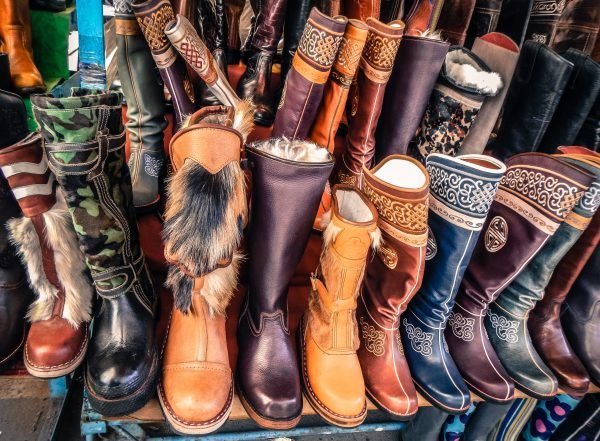
Ulaanbaatar has outdoor shops, department stores, markets and specialist winter clothing shops, as well as as locally made wool and cashmere clothing and traditional winter boots. Mongolians know how to dress for winter, so there is plenty of genuinely warm clothing available.
However, we wouldn’t recommend arriving with no winter clothing at all.
We also recommend allowing at least one additional full day in Ulaanbaatar if buying winter clothing forms part of your plan. Shops and markets are spread across the city rather than concentrated in one convenient shopping area, and Ulaanbaatar traffic can make getting between shops time-consuming. Depending on your height, and clothing and boot size, you may need to visit several different shops before finding something suitable. Larger clothing sizes, very tall fits and larger boot sizes can be particularly difficult to find, so if this applies to you, we recommend bringing your essential outerwear and footwear from home.
Mongolia also doesn’t have the same widespread second-hand clothing culture found in other countries, so we wouldn’t recommend relying on finding second-hand winter gear once you arrive.
How Much Does Winter Clothing Cost In Ulaanbaatar?
Prices vary considerably depending on whether you shop in local markets, department stores or specialist outdoor shops, but as a rough guide:
- A good insulated winter coat: around 500,000 – 1,000,000 MNT (approximately US$140-280)
- Insulated winter boots: around 350,000 – 800,000 MNT (approximately US$100-220)
These are only example prices and will change. The important point is that buying your winter clothing in Mongolia isn’t necessarily the budget option.